Burkina Faso Flag: Waving Fabric Texture for Dynamic Designs
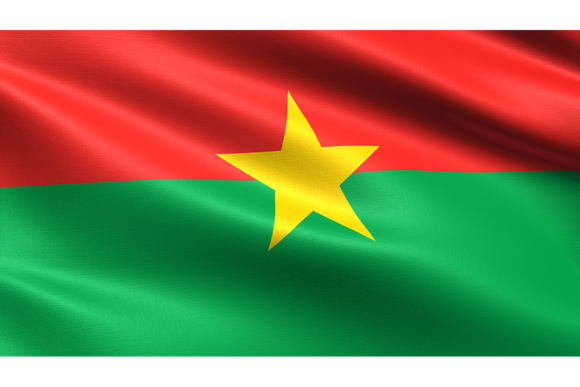
Capturing the essence of national pride often requires more than just static colors; it demands movement, texture, and realism. When you are working on a project that requires an authentic representation of West Africa, specifically regarding the Burkina Faso flag, waving fabric texture, you need assets that bridge the gap between digital art and physical reality. This specific design asset offers a highly detailed, realistic depiction of the flag, complete with the ripples, folds, and light play of actual cloth blowing in the wind. It is not just a flat image; it is a piece of motion graphics ready for high-end application.
For the modern content creator or brand strategist, visual assets are the currency of engagement. Whether you are a marketer launching a campaign with a cultural focus, a publisher compiling a textbook, or a small business owner designing merchandise, the quality of your imagery speaks volumes about your professionalism. The Burkina Faso flag in this format serves as a premium design asset that instantly elevates the standard of your work, ensuring that your visuals look expensive and intentional.
The Visual Anatomy of a Premium Texture Asset
Understanding what makes this asset valuable starts with its technical specifications. Delivered as a high-resolution .jpg file at 3840×2160px, the image is built for versatility. This 4K resolution ensures that the waving fabric texture remains crisp whether it is viewed on a retina display, projected on a large screen during a presentation, or cropped for social media graphics. You do not have to worry about pixelation or noise when zooming in on the details of the weave.
The "personality" of this image is defined by its realism. Unlike flat vector graphics, this texture captures the nuances of light and shadow created by a flag caught in a breeze. The red and green stripes, bisected by the yellow star on the tricolor, interact with the folds of the fabric to create depth. This depth is crucial for visual hierarchy; if you place text or other graphic elements over a flat background, it often feels static and boring. However, placing them over a dynamic, textured background creates a sense of 3D space and energy. It transforms a standard presentation slide or web design header into a cinematic experience.
Integrating Motion and Texture into Professional Projects
The utility of a high-quality flag texture extends across various creative industries. For graphic designers, this asset is a versatile component for packaging design or editorial design. Imagine a magazine cover or a book jacket featuring a story about Burkinabè culture, politics, or travel. The waving texture adds a tactile quality to the print, inviting the reader to engage with the material. It serves as a powerful background that supports the typography without overwhelming it, provided the designer follows best practices regarding contrast.
In the realm of motion graphics and video production, static images often struggle to hold attention. However, because this image implies movement through its texture, it works exceptionally well in video backgrounds. You can easily integrate it into the background of your own presentations or video edits. The folds of the cloth suggest wind, which psychologically engages the viewer’s brain more than a flat color block would. For entrepreneurs creating pitch decks or product demos, using a textured background like the Burkina Faso flag can subconsciously signal attention to detail and a commitment to quality.
Strategic Application for Brand Identity
When building a brand identity, consistency and recognition are paramount. If your brand has ties to Burkina Faso—perhaps in the import/export business, tourism, or cultural arts—using this specific flag texture can become a recognizable motif. However, it is important to use it strategically. A waving fabric texture is inherently busy; the folds and shadows create a complex visual field. Therefore, it works best as a background layer rather than a foreground element.
For web design, consider using this image as a hero section background. To ensure readability, you will likely need to apply a slight overlay or gradient. A dark overlay will allow white sans serif fonts to pop, creating a modern, clean aesthetic. Conversely, placing a white card or container over the center of the image can create a clean space for body text while letting the flag texture frame the content. This technique balances the beautiful animation of the flag with the functional needs of a website.
Regarding typography, the pairing of fonts with such a strong visual element requires care. Because the flag texture is organic and traditional, it pairs surprisingly well with modern, geometric sans serif typefaces. The contrast between the rigid geometry of the font and the fluid nature of the fabric creates a sophisticated tension. Avoid using overly decorative or script fonts on top of the waving flag, as this can result in a cluttered look where the text competes with the texture for the viewer's attention. Clarity is king when dealing with complex backgrounds.
Practical Considerations for Implementation
Before integrating the Burkina Faso flag into your workflow, a few practical checks are necessary. First, consider the commercial licensing if you are using this for a client project or selling products with the image on it. Ensure the asset is cleared for commercial use. Second, evaluate the "crop factor." Since the flag is waving, the edges of the flag will be irregular. When cropping the image for social media graphics (such as an Instagram Story or a Twitter header), be mindful of how the waving edges interact with the safe zones of the platform. You want to ensure the recognizable elements of the flag remain visible and are not cut off awkwardly.
For print documents, the 3840×2160px resolution is generally sufficient for A4 or Letter-sized prints. However, if you are planning to use this for large-format printing, such as a trade show banner or a backdrop, you should check the DPI (dots per inch) settings in your layout software. While the image looks perfect on screen at 72 DPI, print usually requires 300 DPI. At 4K resolution, you still have room to work with, but scaling up excessively might reveal the limits of the pixels.
Finally, think about the emotional resonance. The Burkina Faso flag represents the nation's agricultural wealth (Green), mineral resources (Red), and the purity of their independence struggle (Yellow Star). Using the waving fabric texture connects your project to these themes of resilience and vitality. It is more than just a picture; it is a symbol. By treating it with the respect it deserves—through high-quality rendering, proper typography pairing, and thoughtful placement—you ensure that your final design is not only professional but also culturally respectful and visually stunning.