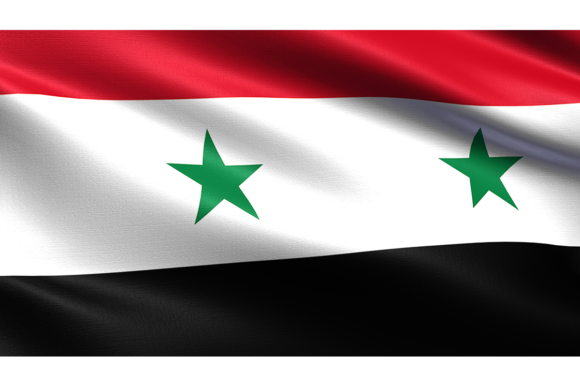
Syria Flag Waving Fabric Texture: Realism in Motion
Why Realistic Texture Changes Everything in Digital Design
In the world of graphic design and brand identity, the difference between an amateur collage and a professional presentation often comes down to one thing: realism. When you are working with national symbols or specific themes, using flat, clip-art style graphics can undermine the authority of your message. This is where the Syria Flag, Waving Fabric Texture becomes an indispensable asset. It is not just a picture of a flag; it is a high-fidelity capture of textile in motion. The intricate folds, the way light catches the ridges of the fabric, and the natural shadowing give this design asset a tangible quality. For designers, entrepreneurs, and content creators, this level of detail provides immediate visual credibility. It tells the viewer that you care about quality and that the presentation has been crafted with professional standards.
The visual appeal of this specific image file lies in its ability to convey movement. A static flag can feel sterile or institutional, but a flag blowing in the wind feels alive and energetic. The .jpg format ensures broad compatibility across almost every software platform you might use, from Adobe Photoshop to Canva, while the massive 3840×2160px resolution means you never have to worry about pixelation, even when zooming in on the fabric weave. This premium quality makes it a versatile component for various projects, ensuring that whether it is viewed on a 4K monitor or printed on a large banner, the integrity of the texture remains intact.
Practical Applications for Creators and Businesses
Understanding where to use such a specific design asset is key to maximizing its value. Because the Syria Flag, Waving Fabric Texture mimics real-world physics, it is particularly effective in contexts where you want to bridge the gap between digital and physical. For web design, it serves as a powerful hero image. Instead of a generic stock photo, using this realistic texture as a background for a landing page immediately sets a thematic tone. It adds depth to the user interface without distracting from the call-to-action buttons, provided it is used with the right opacity or overlay techniques.
For those involved in motion graphics, the high resolution is a massive advantage. You can pan and zoom across the fabric without losing quality, creating dynamic video intros or lower thirds. Imagine a news segment or a cultural presentation; starting with a slow zoom out from the intricate fabric weave to reveal the full flag creates a cinematic effect that flat graphics simply cannot achieve. Similarly, in social media graphics, where attention spans are short, a highly detailed, realistic texture can stop the scroll. It adds a tactile element to the screen, making the content feel more substantial and worthy of engagement.
From Presentations to Print Media
The utility of this texture extends well beyond digital screens. If you are preparing a print document for a cultural event, a diplomatic gathering, or an educational module, the 3840×2160px resolution ensures crisp output. In packaging design or event collateral, realism often correlates with perceived value. Using a waving fabric texture implies tradition, heritage, and pride. It allows entrepreneurs and small business owners to create marketing materials that look expensive and professionally produced, even if they are working with limited resources. It acts as a creative shortcut to high-end aesthetics.
Furthermore, for bloggers and publishers, context matters. When writing articles about history, travel, or current events, embedding this realistic texture as a featured image or a sidebar graphic adds significant editorial weight. It moves the layout away from the sterile look of standard stock photography and toward something that feels curated and authoritative.
Integrating Texture into Your Brand Workflow
Adopting a new asset into your workflow requires more than just downloading a file; it requires strategy. When using the Syria Flag, Waving Fabric Texture, consider how it interacts with your other typography and design elements. Because the image is rich in detail and contrast, it pairs best with clean, legible typefaces. A heavy serif font might compete with the fabric folds, making the layout feel cluttered. Instead, consider using a clean sans serif font for body text. The geometric simplicity of modern sans serifs creates a pleasing contrast against the organic, flowing nature of the waving flag, ensuring high readability.
For headlines, you might experiment with a display font or a modern typography style that has some weight to it, but be mindful of spacing. The texture of the flag provides a "busy" background, so your visual hierarchy relies heavily on contrast. If you are overlaying text directly on the image, use a semi-transparent overlay or a drop shadow to ensure the text pops. This is a common technique in editorial design and web design to maintain professionalism while utilizing complex backgrounds.
Evaluating Fit and Licensing
Before integrating any asset, it is crucial to review the licensing terms. Since this is a high-quality, premium asset, ensure that your intended use—whether commercial or personal—aligns with the license provided. Most professional assets like this allow for broad usage, but checking the specifics is part of a responsible design process. This asset is a commercial tool designed to elevate your projects, so treating it with professional diligence regarding rights management is essential.
When evaluating the fit for your project, ask yourself if the "waving" motion aligns with your message. If you are going for a formal, static corporate report, a flat vector might be better. However, if your goal is to evoke emotion, patriotism, or energy, the Syria Flag, Waving Fabric Texture is the superior choice. It adds a layer of storytelling that static images lack. It suggests a breeze, a moment in time, and a living presence.
Final Thoughts on Visual Authenticity
In a digital landscape saturated with low-quality images and generic clip art, investing in high-resolution, realistic assets is a smart move for any creative professional. The Syria Flag, Waving Fabric Texture is more than just a picture; it is a versatile tool for logo design mockups, website backgrounds, and print media. By leveraging its high resolution and realistic style, you can significantly enhance your brand identity and audience engagement. It proves that in design, details matter—and the texture of a waving flag can make all the difference in telling a compelling visual story.