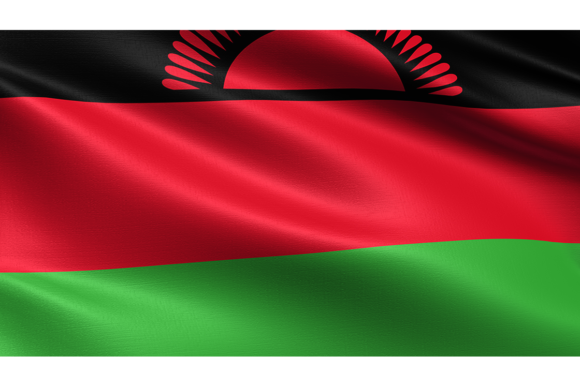
Malawi Flag Waving Fabric Texture: Realistic Design Asset
There is a distinct difference between a flat, static graphic of a national flag and an image that captures the spirit of the nation in motion. For designers and content creators, the challenge often lies in finding assets that feel genuine rather than sterile. When you are looking for a visual that communicates pride, heritage, and movement, the Malawi Flag, Waving Fabric Texture stands out as a superior choice. It is not just a representation of the colors black, red, and green; it is a capture of the flag as a living, breathing textile. This high-resolution asset brings a tactile quality to digital screens, transforming a simple graphic into a powerful storytelling element.
The visual characteristics of this specific design asset are defined by its commitment to realism. The fabric texture is the hero here. You can see the weave of the material, the way the light catches the ridges of the folds, and the subtle shadows cast by the waving motion. This is the kind of detail that separates amateur designs from professional presentations. The Malawi Flag itself carries deep symbolism—the black stripe represents the African people, the red stands for the blood of those who fought for freedom, and the green symbolizes the ever-green nature of the country. The rising sun in the center signifies the dawn of hope and freedom for the continent. When rendered with a realistic waving texture, these colors seem to vibrate with energy, making the symbolism even more potent.
Practical Applications for Modern Creators
One of the greatest strengths of the Waving Fabric Texture is its versatility across different mediums. As a premium design asset, it is optimized for various environments, from digital screens to printed paper. Because the image is provided in a .jpg format with a massive 3840×2160px resolution, it fits seamlessly into 4K workflows.
For those working in motion graphics, this texture serves as an excellent overlay or background element. The inherent sense of movement in the waving fabric complements video transitions and kinetic typography. Imagine a corporate video intro for a business operating in Malawi; placing this realistic flag in the background adds an immediate layer of professionalism and contextual relevance. It grounds the viewer in the location without being overly distracting.
In the realm of web design and social media graphics, static flags can sometimes look flat or pixelated on high-density Retina displays. However, this high-resolution texture maintains its integrity even when scaled or cropped for a hero section on a website. For social media managers creating content for national holidays, cultural events, or international awareness days, the Malawi Flag texture provides a visually rich backdrop that stops the scroll. It adds depth to Instagram stories, Facebook covers, and LinkedIn banners, ensuring that the content feels curated and high-quality.
Furthermore, print document applications are just as robust. Whether you are designing a program for a cultural festival, a report cover for an NGO working in the region, or packaging for imported goods, the 3840x2160 resolution ensures that the print output is crisp. The fabric texture adds a tactile illusion to the paper, making the brochure or flyer feel more substantial and expensive. It is a subtle psychological cue that signals quality to the reader.
Enhancing Brand Identity and Visual Hierarchy
Using a realistic texture like this goes beyond mere decoration; it actively influences brand perception and visual hierarchy. When you incorporate a high-fidelity asset like the Waving Fabric Texture, you are signaling to your audience that your brand values authenticity and attention to detail. In editorial design, for example, a textured background can help separate body text from the background, provided the contrast is managed correctly. It adds a layer of sophistication that plain white or solid color backgrounds often lack.
For logo design presentations, placing a mockup of a logo against this flag texture can be a powerful way to show clients how their brand might look in a real-world context. It moves the design out of the vacuum of a white artboard and into a tangible reality. This is particularly useful for entrepreneurs and businesses looking to establish a presence in the region or those celebrating their heritage.
Consider the context of packaging design. If you are creating a label for a product sourced from Malawi, integrating a subtle weave of the flag's colors using this texture can reinforce the product's origin story. It connects the physical product to its roots, which is a strong selling point for consumers interested in ethically sourced or artisanal goods. The texture acts as a bridge between the product and the culture it represents.
Integration and Pairing Strategies
While this asset is an image file rather than a typeface, it plays well with a variety of font styles. When designing with a complex background like a waving flag, readability is paramount. You want your typography to sit comfortably on top of the image without getting lost in the folds.
For headings, a bold sans serif font usually works best. The clean, geometric lines of a modern sans serif provide a strong contrast to the organic, flowing lines of the fabric texture. This contrast creates a clear visual hierarchy, ensuring that your message is legible at a glance. Think of fonts like Montserrat or Helvetica; their structure anchors the fluidity of the background.
Alternatively, if the project requires a more traditional or elegant feel, a sturdy serif font can be effective, provided the background image is slightly darkened or blurred to increase contrast. A script font or handwritten font might be harder to read against the detailed texture unless used sparingly for accent text rather than main body copy.
When integrating the Malawi Flag, Waving Fabric Texture into your work, consider using it as a "bleed" image where it extends to the very edge of the canvas. This maximizes the immersive effect of the texture. Alternatively, you can use it within a frame or a mask to create a dynamic shape that breaks the grid of your layout. This approach works exceptionally well in modern typography layouts where asymmetry and bold visual blocks are used to guide the viewer's eye.
Conclusion: A Staple for the Creative Toolkit
Ultimately, the Malawi Flag, Waving Fabric Texture is more than just a picture of a flag; it is a versatile creative asset that solves common design problems. It addresses the need for high-resolution imagery, provides a realistic alternative to flat vectors, and offers a culturally rich backdrop for a wide range of projects. Whether you are a marketer planning a campaign, a publisher laying out a book, or a small business owner creating your own flyers, this asset provides the quality and flexibility needed to produce professional results. By leveraging the realistic fabric texture and the symbolic power of the flag, you can elevate your designs and create a lasting connection with your audience.